
Where Do Termites Come From? The Origins of These Destructive Pests
May 20, 2024
How Orange Oil Treatment Helps In Eliminating Drywood Termites From Your Home
September 24, 2026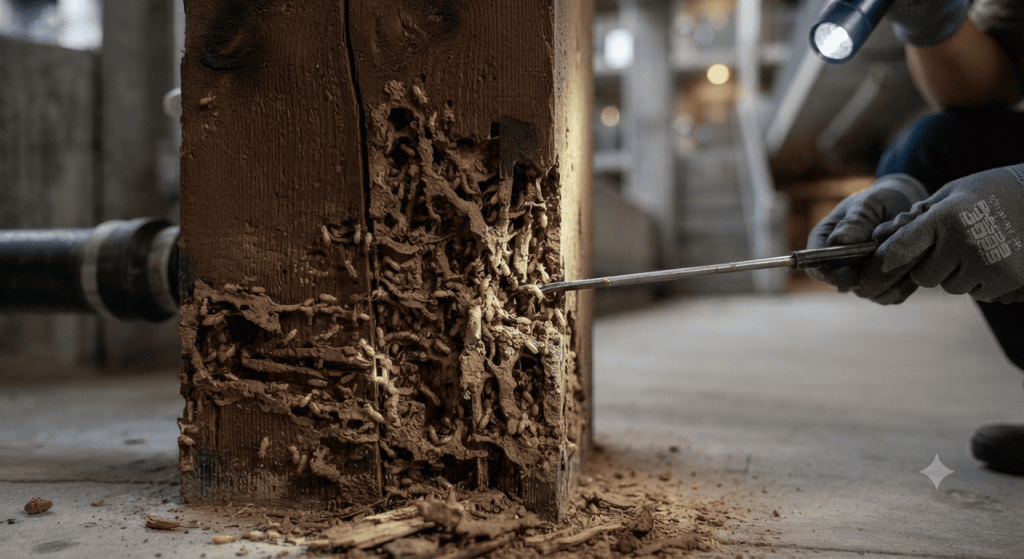
A single-family home and a hotel might share the same termite risk on paper, but the reality on the ground looks completely different. Occupancy schedules, shared walls, and constant foot traffic all change how a termite plan needs to work.
The Scale Problem Most Homeowners Never Face
A house has one family to coordinate around. A hotel or apartment complex has dozens, sometimes hundreds, of guests or tenants whose schedules can’t simply pause for a treatment plan. That difference alone reshapes almost every decision a property manager has to make.
Shared walls also mean termite activity rarely stays confined to one unit. A colony that starts in one corner of a building can travel through connecting framing into neighboring units long before anyone notices, which is why commercial termite treatment usually starts with a property-wide inspection rather than a single-room check.
Scale also changes how fast a small problem can turn into a large one. In a single-family home, a missed inspection might mean one room needs repair later. In a commercial building, that same delay can mean several units or an entire wing showing damage by the time anyone calls for help.
What Makes Commercial Properties Different
Beyond scale, commercial buildings carry operational pressures that residential homes simply don’t have. A restaurant can’t shut its kitchen for three days. A hotel can’t clear out every guest room at once without a serious loss in revenue.
- Occupied units mean treatment has to work around guest or tenant schedules
- Health code and inspection requirements add another layer of compliance
- Shared HVAC or plumbing systems can spread moisture-related risk building-wide
- Liability concerns rise when termite damage affects a leased or rented space
- Insurance and lease documentation often require detailed treatment records
These pressures push commercial treatment planning toward phased approaches, where sections of a property get treated in stages instead of everything happening at once. A licensed team has to think like a project manager as much as a pest control provider, balancing treatment priorities against a building’s daily operations.
Why a Single-Unit Inspection Falls Short
It’s tempting for a property manager to treat a termite report the way a homeowner might, addressing the one unit where activity was spotted and moving on. In a commercial setting, that approach tends to miss the bigger picture.
Framing, subfloors, and shared walls often connect multiple units in ways that aren’t visible from inside any single room. A licensed inspector checking one apartment or hotel room can only confirm what’s happening in that space, not whether the same colony has already traveled two doors down. That’s why a full property walk-through, even when only one unit reports a problem, tends to catch issues before they multiply.
Building a Property-Wide Termite Plan
A workable commercial plan usually blends more than one treatment type, chosen based on which sections show active damage and which are still preventive priorities.
Phased Tenting for High-Risk Sections
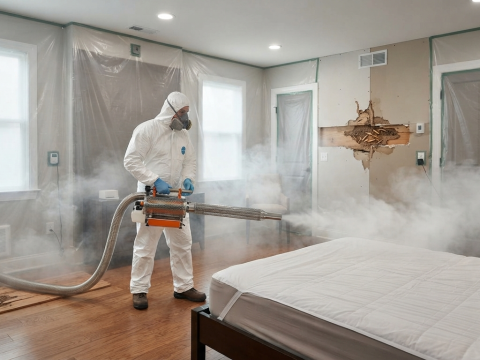
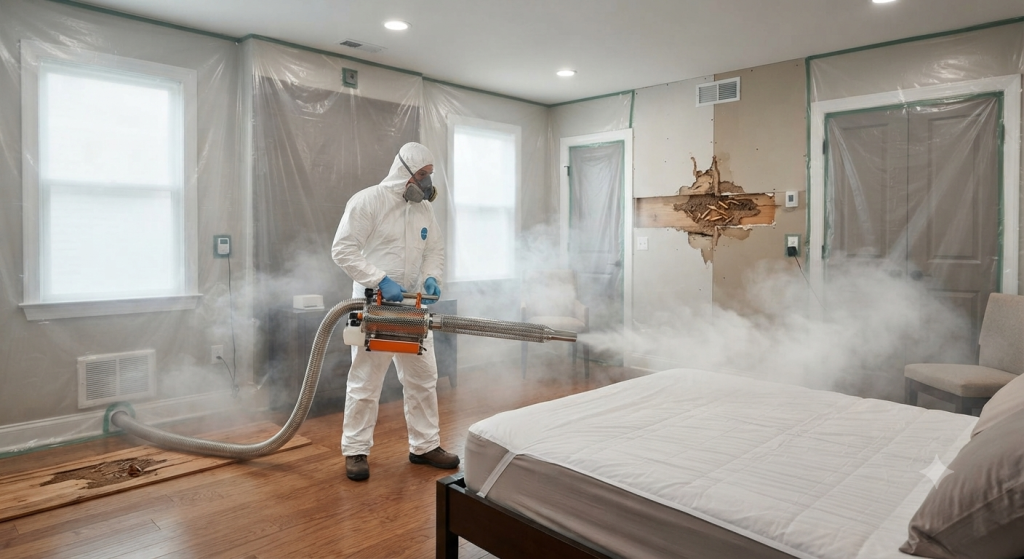
When a wing or unit shows significant drywood termite activity, tenting that specific section allows the rest of the building to stay operational. Coordinating this with a hotel’s booking calendar or a restaurant’s slower season keeps disruption manageable, rather than forcing a full shutdown across every unit at once.
Localized Treatment for Contained Activity
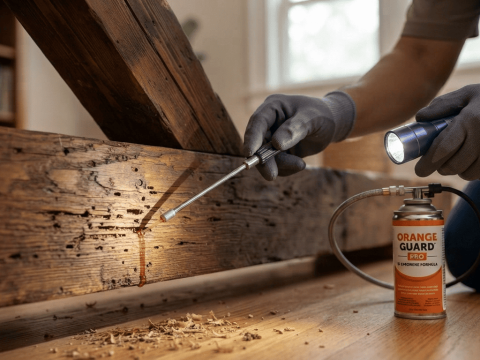
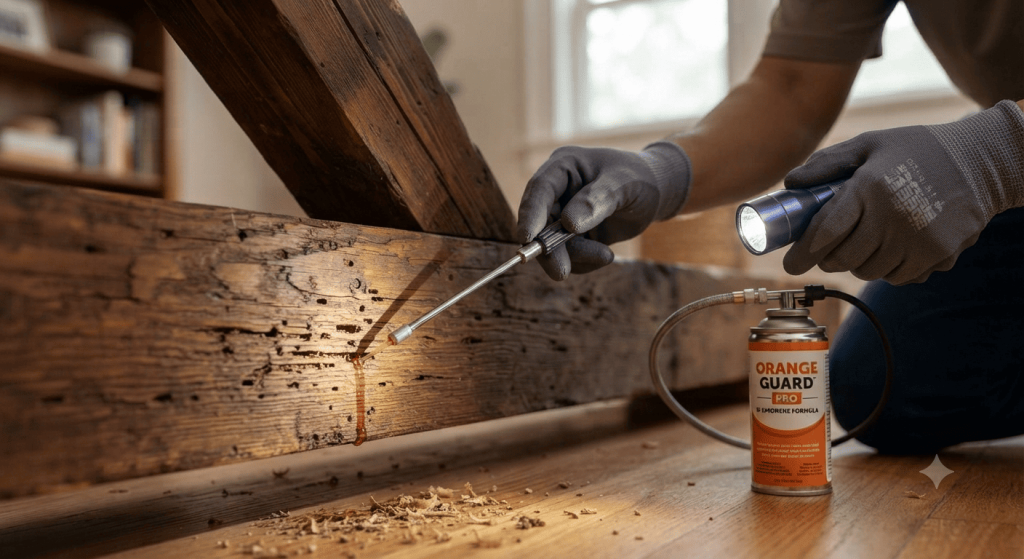
For smaller pockets of activity, spot treatments using products like Termidor or Tim-Bor can resolve the issue without shutting down any part of the property, which matters enormously for buildings that can’t afford downtime. This option works especially well for isolated cases caught early through routine monitoring.
Ongoing Monitoring Across Shared Structures
Because commercial buildings share so much structural framing, periodic monitoring across the entire property catches new activity before it spreads between units. This is typically built into an annual service agreement rather than handled as a one-time visit, giving property managers a running record rather than a single snapshot in time.
How Phased Planning Actually Gets Scheduled
Coordinating treatment across a large property takes more logistics than most people expect. A licensed provider usually works directly with building management to map out timing well before any crew arrives on site.
- Reviewing occupancy calendars to identify lower-traffic windows for treatment
- Sequencing work by wing or floor to limit disruption to any single area
- Coordinating with maintenance staff on access to shared mechanical spaces
- Setting realistic timelines that account for lease terms or event bookings
This kind of planning turns what could be a chaotic process into a predictable one, with clear expectations set for staff, tenants, and guests well ahead of treatment day.
Why Timing and Coordination Matter So Much
Getting commercial termite treatment Los Angeles property managers actually need means working around occupancy far more carefully than a residential job requires. A licensed team has to schedule around checkout times, event bookings, or lease agreements, often coordinating directly with building management rather than a single homeowner.
This coordination is also why same-day inspections matter more in a commercial setting. The faster a problem gets diagnosed, the sooner a phased plan can be built around the property’s actual operating schedule, instead of forcing an all-at-once shutdown that no commercial property can realistically absorb.
Long-Term Protection for Commercial Properties
Because commercial buildings represent a much larger financial investment, ongoing protection tends to matter even more than the initial treatment itself.
- Annual inspections built into a standing service agreement
- Documentation for insurance or lease compliance purposes
- Early detection systems for buildings with a history of activity
- Coordinated scheduling that respects business hours and guest bookings
- Clear records that support future lease negotiations or property sales
For property managers handling condos, restaurants, apartment buildings, offices, or hotels, this kind of structured, ongoing plan tends to cost far less over time than reacting to damage after it’s already spread.
What Property Managers Should Ask Before Signing a Plan
Before committing to any long-term service agreement, it’s worth asking a few direct questions to confirm the plan actually fits the property’s operating rhythm.
- How will treatment be phased across units, wings, or floors
- What documentation will be provided for insurance or lease purposes
- How quickly can the team respond if new activity is reported
- Whether monitoring is included year-round or only at renewal time
A provider with real commercial experience should be able to answer each of these clearly, without vague timelines or generic answers that don’t account for the property’s specific layout.
FAQs
Can a hotel stay open during commercial termite treatment?
In many cases, yes, especially when a phased or localized approach is used. Full tenting of an active wing may require temporary relocation of guests in that specific section only.
How often should commercial properties be inspected for termites?
Annual inspections are standard, though buildings with a prior history of activity or older wood construction often benefit from more frequent checks.
Does commercial termite treatment cost more than residential treatment?
Cost scales with property size and the complexity of coordination required, but phased approaches often keep expenses more predictable than one large-scale treatment.
Who handles termite damage liability in a leased commercial space?
This depends on the lease agreement, which is why documented inspection records and treatment history matter for both property owners and tenants.
Can shared walls between units spread termite activity?
Yes. Connected framing and shared structural elements allow colonies to travel between units, which is exactly why a property-wide inspection matters more than checking a single unit alone.