Why Do Hotels and Apartment Complexes Need a Different Termite Plan?
September 23, 2026
How Can One Fumigation Visit Effectively Treat Both Bed Bugs and Termites?
September 30, 2026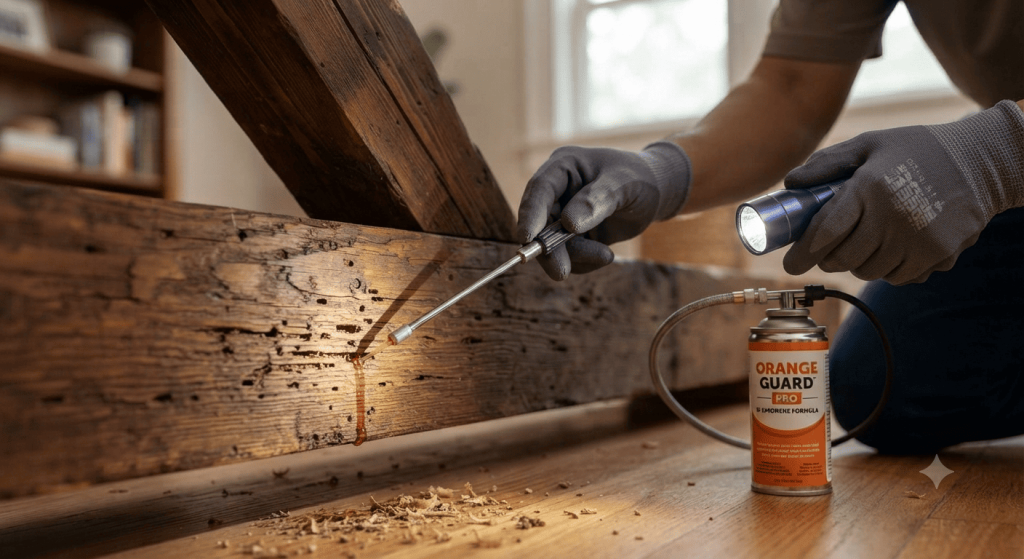
Drywood termites can remain hidden inside wooden structures while feeding on undecayed wood. Because they live within the wood they infest, treating the visible signs alone may not be enough. A treatment needs to reach the areas where these pests are hiding.
Orange oil termite treatment provides a localized option for suitable drywood termite infestations. XT-2000 Orange Oil Plus uses 95% pure d-limonene, the active ingredient in orange oil, and is applied through a scope and injection method. Its properties allow it to move through wood and reach termites and other pests where they hide.
How Orange Oil Treatment Eliminates Drywood Termites
Orange oil treatment targets drywood termites inside the wood where they hide and feed. Here are the key ways the treatment helps eliminate these pests.
Active Ingredient Works Through Infested Wood
XT-2000 Orange Oil Plus contains 95% pure d-limonene, which is the active ingredient in orange oil. The product is derived from orange rinds and is used as part of the scope and injection method for treating drywood termites.
The properties of d-limonene allow the Orange oil termite treatment to move effectively through wood. This gives the treatment access to hidden areas where drywood termites may be nesting and feeding.
Reaches Termites Hidden Inside Wood
Drywood termites normally nest and feed in undecayed wood with low moisture. This allows them to remain inside wooden areas where they may not be immediately visible.
XT-2000 Orange Oil Plus is designed to move through wood, allowing the treatment to reach termites and other pests in the areas where they hide. This is important because drywood termite treatment needs to address the infestation within the wood rather than simply treating exposed surfaces.
Targets Specific Infested Areas
Orange oil treatment can be performed as a localized treatment. Instead of treating an entire structure, the treatment can focus on areas affected by drywood termites.
This makes localized treatment particularly relevant for smaller areas and infestations involving drywood termites. Identifying the affected areas is therefore an important part of determining where treatment should be applied.
The Scope And Injection Method Treats the Wood Directly
XT-2000 Orange Oil Plus uses a scope and injection method for drywood termite treatment. This approach allows the treatment to be applied to the wood where termite activity has been identified.
By working directly with the affected areas, professionals can focus the treatment where it is needed. The goal is to reach the termites hidden within the wood and eliminate the infestation in those localized areas.
Eliminate Drywood Termites Without Tenting
One of the main differences between localized orange oil treatment and whole-home tenting is the way the treatment is applied. Orange oil treatment can be used without tenting for suitable drywood termite infestations.
Because there is no tenting involved, homeowners do not need to move out of the home for treatment. This can reduce the disruption associated with termite control and allow the treatment to focus on the affected areas.
Signs That Your Home May Have Drywood Termites
Drywood termites can stay hidden inside wood for long periods, but certain signs may indicate that an infestation is present.
- Small holes in wood may indicate where termites have entered or moved through wooden structures.
- Drywood termite droppings can appear as small piles of pellets near infested wood.
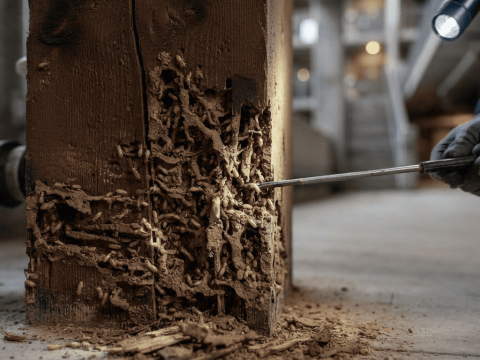
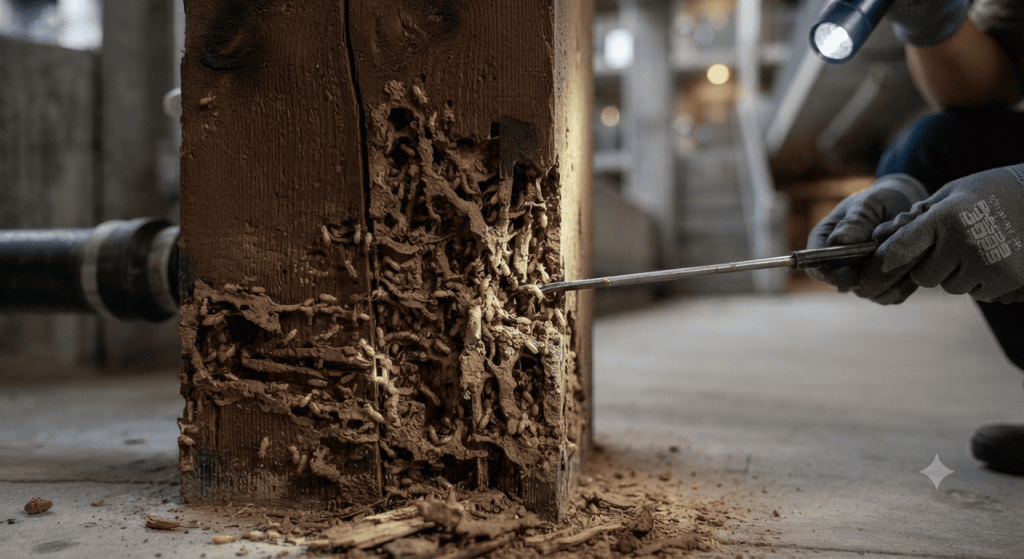
- Damaged or weakened wood may develop as termites feed and create galleries inside it.
- Discarded wings around windows, doors, or other areas can indicate termite activity.
- Visible termite activity around wooden surfaces may be a sign that further inspection is needed.
If you notice any of these signs, a professional inspection can help identify the affected areas and determine the appropriate treatment.
3 Benefits Of Orange Oil Treatment
Orange oil treatment offers several benefits that can make it a suitable option for certain drywood termite infestations.
-
Made with 95% pure d-limonene
XT-2000 Orange Oil Plus is made with 95% pure d-limonene and is derived from orange rinds. The treatment is described as a low-impact product and does not introduce hybrid chemicals into the home.
-
Leaves no toxic residues or by-products
The treatment also leaves no toxic residues or by-products behind, according to the product information provided by Chem Free Exterminating. It is described as renewable, pet-friendly, and landscape-friendly. After treatment, the home is left with a citrus smell.
-
Localized treatment
Another important benefit is that orange oil can be used as a localized treatment. This makes it an option for smaller areas involving drywood termites. It can also eliminate the need for tenting in suitable cases, meaning homeowners do not have to vacate the property during treatment.
However, the right treatment depends on the type and location of the termite infestation. A professional inspection can help identify the affected areas and determine whether orange oil treatment is appropriate.
Why Choose Chem Free Exterminating?
Chem Free Exterminating is a Certified Orange Oil Specialist providing XT-2000 Orange Oil Plus and termite control services throughout Southern California. We offer orange oil treatment for drywood termites as well as carpenter ants and wood-boring beetles.
We offer inspections for both residential and commercial properties. An inspection can help identify termite activity and determine whether a localized orange oil treatment is suitable for the property.
If you are seeing signs of drywood termites or are concerned about termite activity in your home, contact us to learn more about orange oil treatment and schedule a free inspection.
Conclusion
Drywood termites can hide inside undecayed wood, making it important for treatment to reach the areas where they live and feed. Orange oil treatment uses XT-2000 Orange Oil Plus, which contains 95% pure d-limonene and is applied through a scope and injection method.
The treatment can move through wood, reach hidden termites, and provide localized treatment for suitable drywood termite infestations. It can also be performed without tenting, allowing homeowners to remain in the property during treatment.
For homeowners dealing with possible drywood termite activity, a professional inspection can help identify the affected areas and determine whether orange oil treatment is the right option.
FAQs
1. How does orange oil treatment work on drywood termites?
Orange oil treatment uses XT-2000 Orange Oil Plus, which contains 95% pure d-limonene. Its properties allow the treatment to move through wood and reach termites and other pests hiding inside it.
2. Can orange oil treatment eliminate drywood termites?
Yes. Orange oil treatments can be used as a localized treatment to eliminate drywood termites, particularly when the infestation involves smaller areas.
3. Do I have to leave my home during orange oil treatment?
No. Orange oil treatment can be performed without tenting, so you do not need to vacate your home for the treatment.
4. What is XT-2000 Orange Oil Plus?
XT-2000 Orange Oil Plus is a scope and injection treatment for drywood termites, carpenter ants, and wood-boring beetles. It contains 95% pure d-limonene, the active ingredient in orange oil.
5. Is orange oil suitable for every termite infestation?
Orange oil treatment is presented as an option for smaller areas and infestations involving drywood termites. A professional inspection can determine whether it is suitable for a particular property.