How Orange Oil Treatment Helps In Eliminating Drywood Termites From Your Home
September 24, 2026
How Does Drywood Termite Fumigation Reach Termites Hiding Inside Walls?
October 26, 2026
Termites can cause serious damage to your property, especially when they settle inside wooden beams, wall studs, furniture, or other parts of a building. The challenge is knowing how much treatment your property actually needs. While whole-structure fumigation may be necessary for widespread infestations, a smaller, contained termite problem might be handled with a more targeted approach.
Localized termite treatments focus on the areas where termite activity has been identified instead of treating the entire building. This can help reduce disruption while addressing the infestation directly. However, the right approach depends on the termite species, the extent of the damage, and whether the affected areas are accessible.
If you have noticed signs of termites in your home or commercial property, understanding your treatment options can help you make a more informed decision.
What Are Localized Termite Treatments
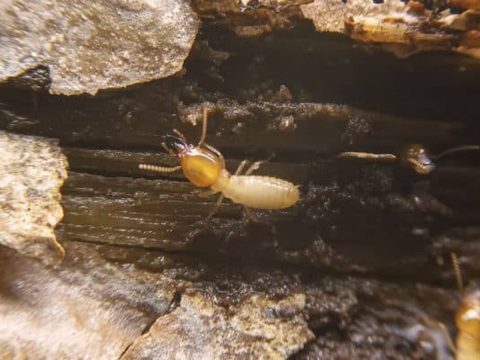
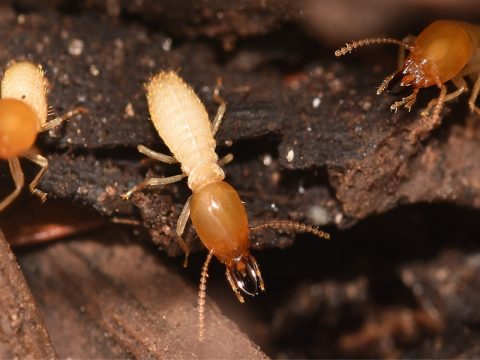
Localized termite treatments target specific areas affected by termite activity rather than treating an entire structure. They are particularly useful when an infestation is limited to an identifiable section of wood or another accessible part of a building.
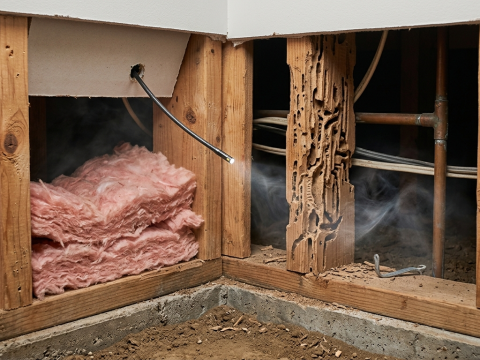
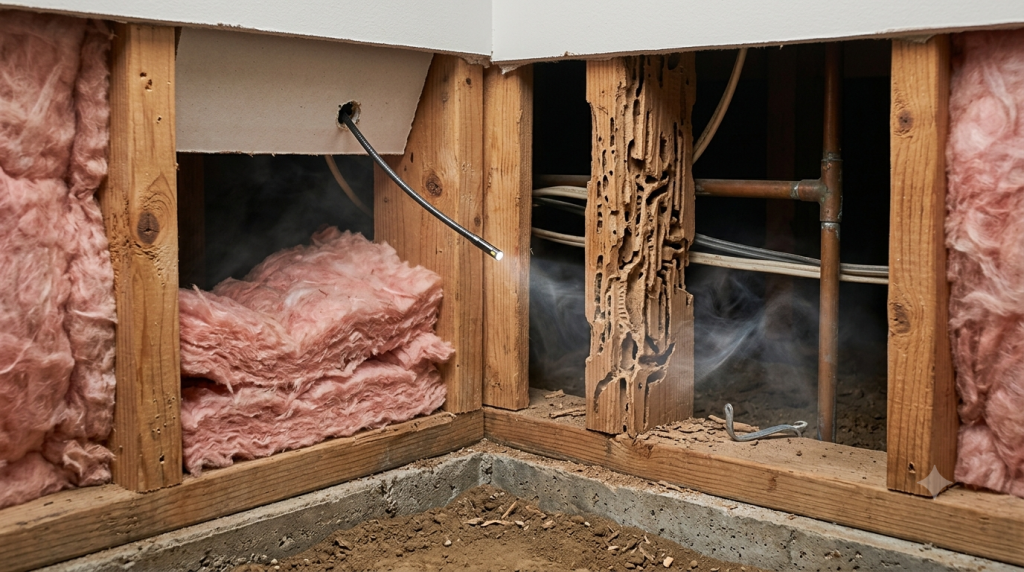
For example, if drywood termites are found in a wooden beam or wall stud, a spot treatment may be suitable after a professional inspection confirms the extent of the problem. Treating the affected area can help address the infestation without the need to fumigate the entire property.
The important thing to remember is that a local termite treatment is not suitable for every termite problem. If termites have spread into several inaccessible areas, treating only the visible damage may leave other parts of the infestation untouched. A professional assessment helps determine whether a targeted treatment will work or whether whole-structure fumigation is the better option.
When Is Localized Treatment the Right Choice
Localized treatment is worth considering when termite activity appears confined to a small, identifiable area. Accessible wooden components with a contained drywood termite infestation may be suitable candidates.
This approach can also appeal to property owners who want to avoid the preparation and temporary relocation associated with tent fumigation. Depending on the treatment selected, you may be able to remain in your home during the process, although you should always follow the technician’s instructions.
However, visible termite damage does not necessarily show the full extent of an infestation. Termites can remain hidden inside wood and other structural spaces. That is why an inspection should come before any treatment decision.
If the infestation extends beyond the affected area or involves locations that cannot be reached with a localized method, whole-structure fumigation may provide more appropriate coverage. The goal is to choose a treatment based on the actual problem rather than simply selecting the least disruptive option.
Understanding Termidor Treatments for Subterranean Termites
Subterranean termites behave differently from drywood termites, so they often require a different treatment method. These termites establish colonies underground and can enter buildings through soil contact, foundation gaps, or mud tubes.
Termidor is a liquid termiticide used in soil around and beneath a structure to create a treated zone. As subterranean termites move through the treated soil, they can pick up the product and transfer it to other termites in the colony. This approach aims to address termite activity beyond the insects that are immediately visible.
Because subterranean termites often originate below the surface, treating an isolated section of wood may not address the source of the problem. Soil-based treatment can be more appropriate when the infestation is linked to underground termite activity.
A professional inspection is essential to determine whether subterranean termites are present and whether a Termidor treatment is suitable for the property.
Exploring Orange Oil Treatments for Wood-Infesting Pests
Orange oil offers another option for certain localized termite problems. Chem-Free Exterminating uses XT-2000 Orange Oil Plus™, a treatment made with 95% pure d-limonene, through a scope-and-inject method.
Rather than treating the entire building, this approach targets pests directly within affected wood. It can be used for drywood termites, carpenter ants, and wood-boring beetles, depending on the circumstances.
One advantage of this treatment is that it is designed to address specific affected areas without requiring whole-structure fumigation. The service page also notes that homeowners do not need to vacate their homes for this treatment.
Still, orange oil is not automatically the right choice for every infestation. Its suitability depends on where the pests are located, how extensively they have spread, and whether the affected wood can be treated effectively. An inspection helps establish whether this localized option is appropriate.
How Tim-Bor Treatments Help Protect Wood
Tim-Bor is another option for localized treatment, particularly when dealing with wood-infesting pests. It is a mineral- and salt-based solution that functions as an insecticide, fungicide, and wood preservative.
The treatment involves drilling small holes into the affected wood and injecting the solution. It can also be applied to raw wood or injected into painted and stained surfaces, making it useful for certain wood components that are already installed or finished.
Tim-Bor serves two purposes. It helps eliminate existing pests in treated wood and provides protection against future infestation and fungal decay. This preservative function can be particularly valuable when property owners want to address a current pest issue while helping protect the treated material.
As with other localized treatments, the results depend on selecting the right method for the pest and the affected area. A qualified inspector can assess the wood and recommend whether Tim-Bor, orange oil, or another treatment is more suitable.
Why Wood Repairs May Be Necessary After Termite Treatment
Getting rid of termites does not automatically restore the wood they have damaged. An infestation may leave beams, trim, wall components, or other wooden structures weakened, decayed, or unsuitable for their original purpose.
Once the pest problem has been addressed, damaged wood may need separate attention. Simply treating the affected area without evaluating its condition can leave structural concerns unresolved.
Chem-Free Exterminating also provides custom wood repair services for wood compromised by termites or dry rot. These repairs help address the physical damage left behind, rather than focusing exclusively on pest removal.
The need for repairs depends on the extent of the damage and the condition of the affected materials. Having the wood assessed alongside the termite problem helps you understand what needs treatment, what requires repair, and what can remain in place.
Why Ongoing Termite Protection Matters
Even after a successful treatment, termite prevention deserves continued attention. New termite activity can develop over time, and a previously treated area does not mean the entire property is permanently protected against every future infestation.
Annual termite control service warranties can provide an additional layer of support. Chem-Free Exterminating offers annual warranties with regular monitoring to help identify new activity before it becomes a larger concern. These warranties are renewed yearly to maintain ongoing protection.
Regular monitoring is especially useful when you want to keep track of your property’s condition instead of waiting until visible damage appears. If new termite activity is identified, an inspection can help determine the appropriate next step.
Ask about the terms of your warranty, including what the coverage includes and how renewal works. Understanding these details helps you plan for continued termite protection.
Localized Termite Treatments for Homes and Businesses
Termite problems are not limited to individual houses. Apartment buildings, condominiums, restaurants, and offices can also experience infestations that require professional attention.
Localized treatment can be useful for commercial properties when termite activity is confined to an accessible area. However, buildings with multiple units or interconnected structural spaces may require a broader assessment to determine whether the infestation has spread.
The right treatment depends on the property’s layout, the type of termite, and the location of the affected materials. Chem-Free Exterminating provides localized termite treatment services throughout Los Angeles and Orange County, including options for residential and commercial properties.
If your pest concern involves bed bugs rather than termites, the company also offers bed bug fumigation services. Identifying the pest correctly is an important first step because different infestations require different treatment methods.
Why Choose Chem-Free Exterminating
At Chem-Free Exterminating, we understand that every termite problem is different. That is why we offer localized treatment options designed to address specific infestations without automatically requiring whole-structure fumigation.
We provide options including Termidor, XT-2000 Orange Oil Plus™, and Tim-Bor, allowing us to assess the pest problem and recommend an appropriate approach for your property. Our licensed, experienced inspectors evaluate the location, size, and accessibility of termite activity before advising you on the next step.
We also offer custom wood repair services to help address damage caused by termites or dry rot, along with annual termite control service warranties for continued monitoring and protection.
If you suspect termite activity in your home or business, we offer free, same-day inspections throughout Los Angeles and Orange County. Contact us to arrange an inspection and receive a recommendation based on your property’s specific needs.
Frequently Asked Questions
1. How Do I Know If My Property Needs Localized Termite Treatment
A professional inspection is the best way to find out. Localized treatment may be suitable when drywood termite activity is limited to a small, accessible area. If termites have spread into multiple or inaccessible parts of the building, whole-structure fumigation may be more appropriate.
2. What Is the Difference Between Termidor and Tim-Bor
Termidor is a liquid termiticide applied to soil around and beneath a structure to address subterranean termites. Tim-Bor is a mineral- and salt-based solution applied to wood to treat existing pests and help protect against future infestation and fungal decay.
3. Do I Need to Leave My Home During Localized Treatment
Localized treatments such as orange oil and Tim-Bor are designed to treat specific areas without requiring you to vacate the property, unlike structural tent fumigation. However, requirements can vary by treatment and circumstances, so always follow the instructions provided by your pest control professional.
4. How Often Should I Renew My Termite Service Warranty
Chem-Free Exterminating offers annual termite control service warranties that are renewed yearly. Regular monitoring helps identify new termite activity early. Ask our team about the applicable warranty terms and renewal requirements for your property.
5. Can I Get a Same-Day Termite Inspection
Yes. Chem-Free Exterminating offers free, same-day inspections throughout Los Angeles and Orange County. Our inspectors can assess the termite activity, explain the available treatment options, and recommend a suitable approach for your home or business.