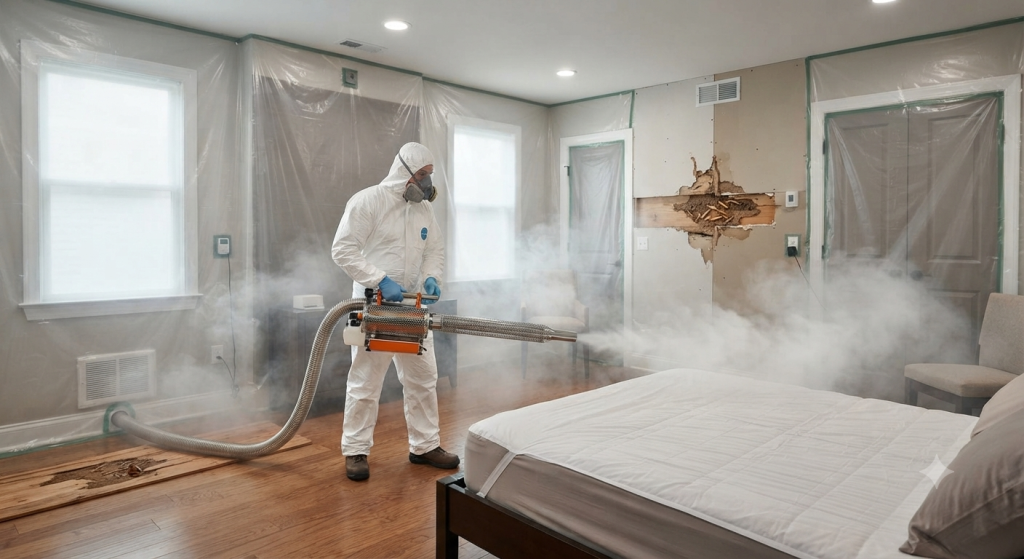

How Does Drywood Termite Fumigation Reach Termites Hiding Inside Walls?
October 26, 2026
How Long Does the Orange Oil Treatment Take?
November 9, 2026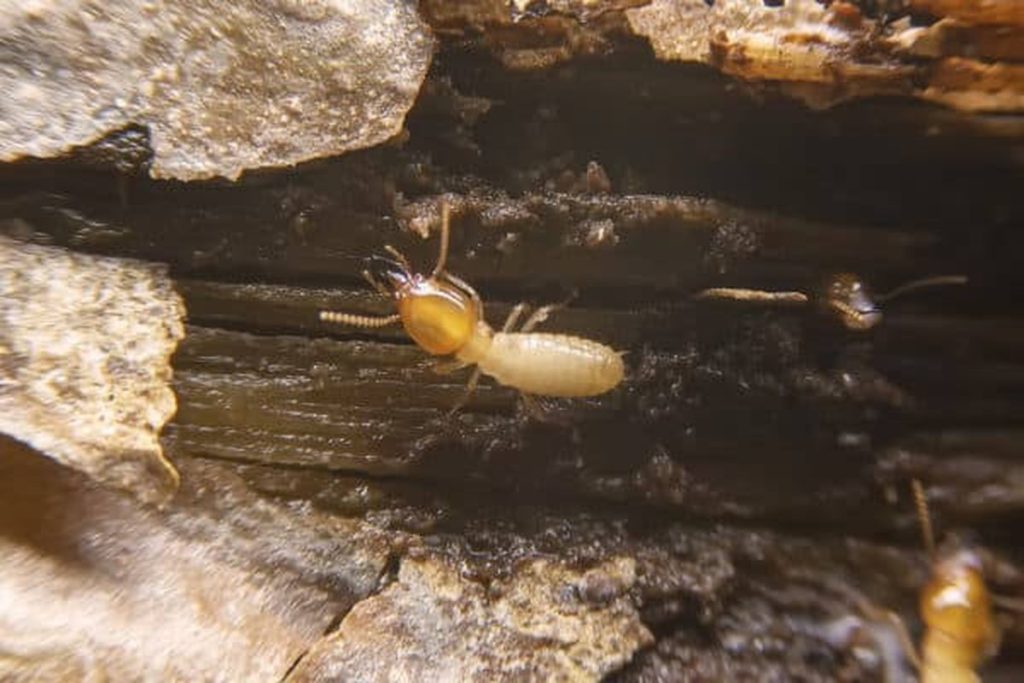
Orange oil treatment offers a targeted way to address drywood termite infestations without the disruption of whole-structure tent fumigation. Made from a compound extracted from orange rinds, this treatment can reach pests hiding inside infested wood and provide an alternative to traditional termite control methods.
For homeowners and business owners, understanding how orange oil works, where it is most effective, and when professional treatment is needed can help them make informed decisions about protecting their properties.
What Is Orange Oil Termite Treatment?
The Orange oil termite treatment uses d-limonene, a naturally occurring compound found in orange peels. We use XT-2000 Orange Oil Plus™, which contains 95% pure d-limonene and is applied through a scope-and-inject method.
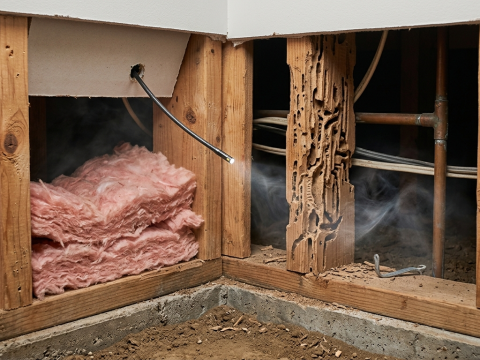
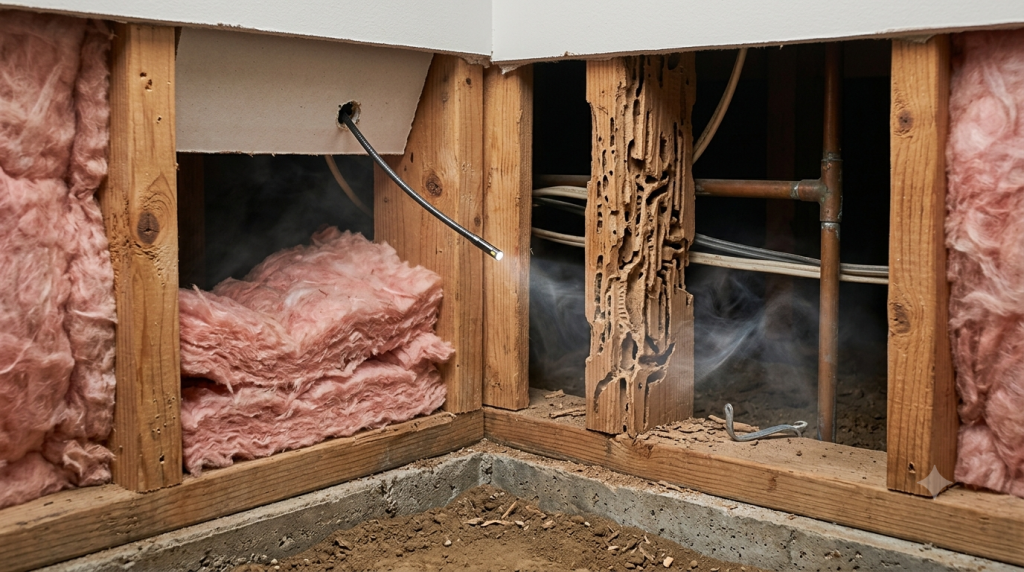
Rather than treating only the exposed surface of the wood, this method delivers the product into identified areas of infestation. The treatment is designed to reach termites hiding within wooden structures, making it a potential option for localized drywood termite problems.
Orange oil is also used against carpenter ants and wood-boring beetles. However, the appropriate treatment depends on the pest involved, the location of the infestation, and the condition of the affected wood. A professional inspection helps determine whether this approach is suitable for a particular property.
How Orange Oil Works Against Hidden Termites
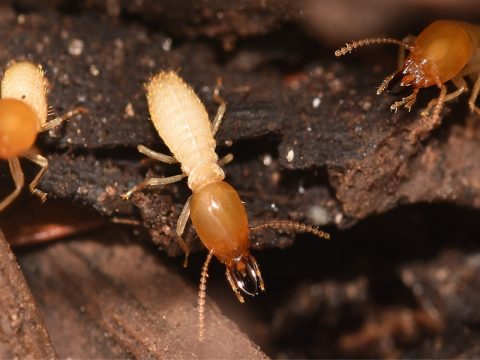
Drywood termites live and feed inside wood, which can make infestations difficult to identify and treat. Orange oil treatment focuses on reaching the areas where these insects hide rather than relying on surface application alone.
The Active Ingredient Targets Wood-Infesting Pests
D-limonene is the active ingredient in XT-2000 Orange Oil Plus. Derived from orange rinds, it gives the treatment its citrus-based formulation and pest-control properties.
The product is applied directly to identified areas of termite activity. This targeted approach is useful when termites occupy specific wooden components, such as beams, framing, or other accessible sections of a structure.
The Treatment Reaches Infested Wood
Technicians use specialized equipment to introduce the treatment into affected wood. The product is designed to move through the wood’s grain and reach termite galleries where pests may be hiding.
This matters because visible damage does not always reveal the full extent of an infestation. Termites can remain concealed while continuing to feed inside the wood. Direct treatment helps address the pest activity within the affected material.
The Method Focuses on Specific Areas
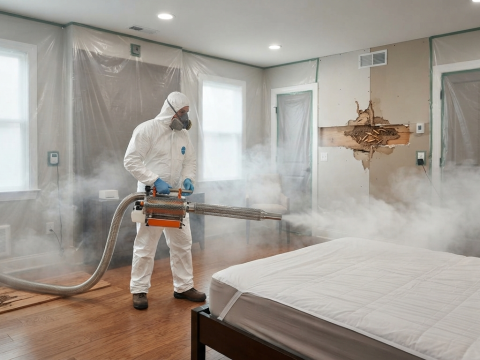
Unlike whole-structure fumigation, orange oil treatment can focus on identified areas rather than requiring the entire building to be enclosed under a tent.
This makes it a practical option for certain localized infestations. However, its suitability depends on whether the affected areas can be identified and accessed. Extensive infestations or activity in inaccessible parts of a building may require a different treatment strategy.
Signs Your Property May Need Orange Oil Treatment
Drywood termites often remain hidden until their activity produces noticeable signs. Recognizing these warning signals early can help you arrange an inspection before the damage becomes more extensive.
Look for the following indicators around wooden structures and furniture.
- Small piles of termite droppings. Drywood termite fecal pellets may collect beneath infested wood or near small openings.
- Discarded wings. Wings around windowsills, doors, or other entry points may indicate termite swarm activity.
- Hollow-sounding wood. Sections of timber may sound hollow when tapped if termites have created galleries inside.
- Small holes in wooden surfaces. Tiny openings can indicate termite activity within the material.
- Visible wood damage. Weak, damaged, or deteriorating wood may point to an established infestation.
These signs do not always confirm drywood termites, as other pests or forms of wood damage can produce similar symptoms. A licensed termite inspector can identify the likely cause and determine whether orange oil treatment is appropriate.
Benefits of Choosing Orange Oil Treatment
Orange oil offers several practical advantages for suitable infestations, particularly when homeowners want to avoid the disruption associated with tent fumigation.
No Whole-Structure Tenting
One of the main benefits is that orange oil treatment does not require tenting the entire building. Technicians can treat identified areas of infestation without enclosing the property under a fumigation tent.
This can simplify the process for homeowners who want to address localized termite activity without arranging a full-property evacuation.
Less Disruption to Daily Life
Because suitable orange oil treatments do not require whole-structure tenting, residents can generally remain at home during the treatment process. This can reduce the inconvenience of arranging temporary accommodation, relocating belongings, or making alternative plans for several days.
The technician will explain any precautions or access restrictions that apply to the specific product and treatment procedure. Always follow the professional’s instructions.
A Plant-Derived Active Ingredient
XT-2000 Orange Oil Plus uses d-limonene derived from orange rinds. Its plant-derived formulation makes it an alternative for property owners who prefer to explore lower-impact pest control options.
However, natural origin does not automatically mean a product is harmless in every situation. Orange oil must still be handled and applied correctly, following the product label and professional safety guidance.
Potential Cost Savings for Localized Infestations
Treating specific areas may cost less than whole-structure fumigation when the infestation is limited and accessible. The actual cost depends on the extent of termite activity, the number of affected areas, the accessibility of the wood, and the labor involved.
An inspection provides a clearer basis for comparing treatment options and understanding the likely cost of addressing the problem.
Suitable for Certain Commercial Properties
Orange oil can also be considered for eligible commercial buildings, including offices, restaurants, apartment complexes, and other properties with wood-infesting pests. Avoiding whole-building tenting may help reduce operational disruption when the infestation is suitable for localized treatment.
The treatment plan should account for the building’s layout, occupancy, and the location of termite activity.
Understanding the Limitations of Orange Oil
Although orange oil can be effective for suitable infestations, it is not the right solution for every termite problem. Understanding its limitations helps property owners avoid choosing a treatment that does not match the infestation.
It Is Best Suited to Drywood Termites
Orange oil treatment is primarily used for drywood termites, along with certain other wood-infesting pests. Subterranean termites behave differently because their colonies are generally located in the soil and they enter buildings from below ground.
These infestations often require a different approach, such as an appropriate soil-applied termiticide. Identifying the termite species is therefore an important first step.
Extensive Infestations May Require Broader Treatment
A localized treatment works best when technicians can identify the affected areas and reach the infested wood. If termites have spread throughout a building or occupy numerous inaccessible locations, treating individual sections may not adequately address the full problem.
In these circumstances, structural tent fumigation may be more appropriate because it is designed to treat drywood termites throughout the structure.
An Inspection Is Essential
The visible signs of termite activity may not reveal how far an infestation has spread. A professional inspection helps establish the type of pest, the likely extent of the damage, and the accessibility of affected areas.
Our licensed inspectors assess the property before recommending a treatment plan. Depending on the findings, that plan may involve orange oil, another localized treatment, or structural fumigation.
Orange Oil Treatment Compared With Tent Fumigation
Both treatment methods address drywood termites, but they differ in how they are applied and the situations for which they are best suited.
| Feature | Orange oil treatment | Structural tent fumigation |
| Application | Targeted injection into infested wood | Whole-structure fumigation |
| Best suited for | Certain localized infestations | Widespread or inaccessible infestations |
| Tenting | Not required | Required |
| Vacating the property | Generally not required for the treatment itself | Occupants must leave during fumigation |
| Treatment selection | Depends on accessible, identified infestation areas | Considered when broader structural coverage is needed |
Neither option is automatically best for every property. The extent of termite activity, the building’s construction, and the location of the infestation all influence the recommendation. A professional assessment helps determine which method offers the most appropriate coverage.
How to Prepare for Professional Orange Oil Treatment
Preparing for an inspection and treatment can help technicians work efficiently and access the areas that need attention.
- Identify visible signs. Note where you have seen droppings, small holes, damaged wood, or discarded wings.
- Clear access to affected areas. Move furniture or stored belongings away from suspected infestation sites when practical.
- Share previous treatment details. Tell the inspector about earlier termite treatments, repairs, or recurring pest activity.
- Ask about the treatment plan. Confirm which areas will be treated and whether any additional repairs or follow-up inspections are recommended.
- Follow safety instructions. Discuss any precautions required before, during, or after the application.
Professional treatment should address the infestation identified during the inspection, rather than relying on visible damage alone. If termites have weakened structural wood, repairs may also be necessary after pest control work is completed.
Why Choose Chem Free Exterminating?
At Chem Free Exterminating, we have served homeowners and businesses throughout Los Angeles and Orange County since 1989. As a Certified Orange Oil Specialist, we provide XT-2000 Orange Oil Plus treatments alongside other termite control options to address different types and levels of infestation.
Our approach focuses on identifying the problem before recommending a solution. Our licensed inspectors evaluate termite activity and explain whether orange oil, another localized treatment, or structural fumigation is appropriate for your property.
We also offer custom wood repair services to help restore areas damaged by termites. With residential and commercial services available, we work to provide practical recommendations based on your property’s needs.
Schedule your free inspection today to learn more about orange oil treatment and find the right approach for your termite concerns.
Frequently Asked Questions
1. Does orange oil treatment eliminate drywood termites?
Orange oil treatment can eliminate drywood termites in suitable localized infestations. Its success depends on the extent of the infestation and whether technicians can reach the affected areas.
2. Do I need to leave my home during orange oil treatment?
Whole-structure tenting is not required for orange oil treatment, so moving out is generally unnecessary. Follow the technician’s instructions regarding any product-specific safety precautions.
3. Is orange oil treatment suitable for every type of termite?
No. Orange oil is primarily used for drywood termites and certain other wood-infesting pests. Subterranean termites generally require a different treatment approach.
4. How much does orange oil termite treatment cost?
The cost depends on the size and location of the infestation, the number of affected areas, and how accessible the wood is. A professional inspection can help establish the appropriate treatment and estimated cost.
5. How do I know whether orange oil or tent fumigation is better?
Orange oil may suit smaller, accessible infestations, while tent fumigation may be more appropriate for widespread or inaccessible drywood termite activity. A licensed inspection can help determine the best option for your property.