How Does Orange Oil Treatment Help Control Drywood Termites?
November 2, 2026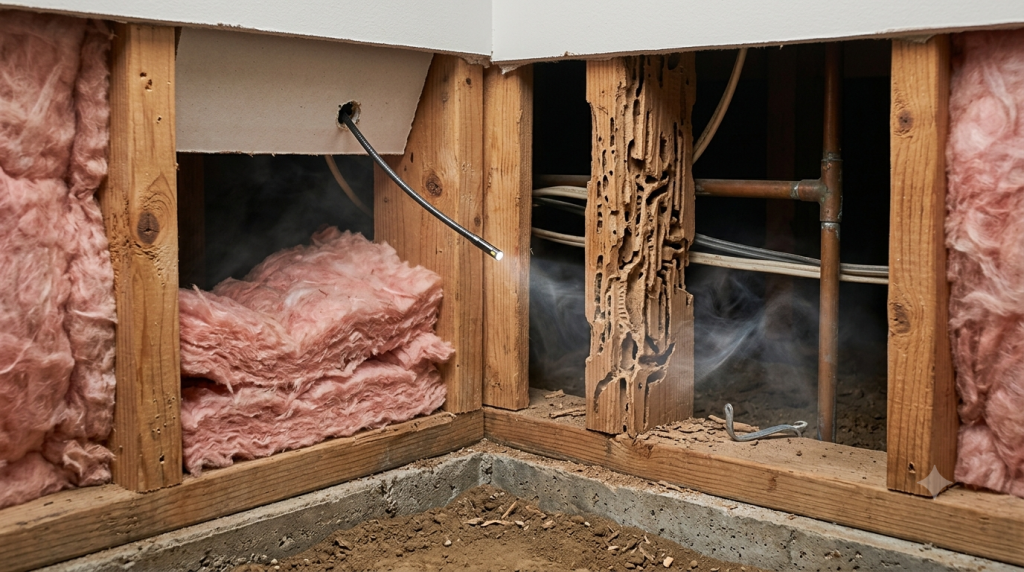
Discovering termites in your home can be stressful, especially when you are unsure how long treatment will take or whether you need to leave your property. The good news is that orange oil treatment offers a more targeted approach to controlling drywood termites without covering your entire home with a tent.
Unlike structural fumigation, which requires occupants to vacate the property for several days, orange oil treatment is usually completed in a single visit. Most localized treatments take a few hours, although the exact duration depends on the size of the infestation, the number of affected areas, and how accessible the damaged wood is.
Understanding each stage can help you prepare for the appointment and know what to expect before, during, and after treatment.
What Is Orange Oil Treatment?
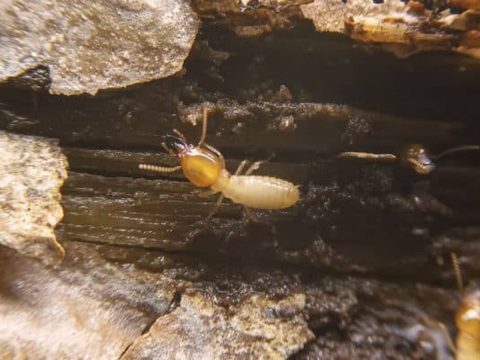
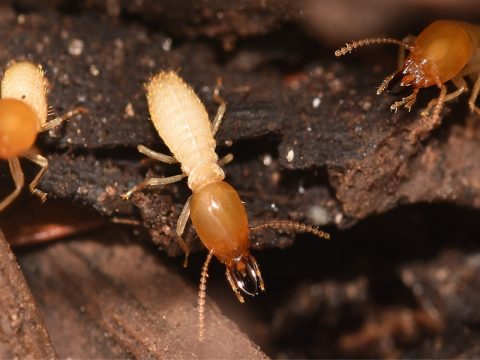
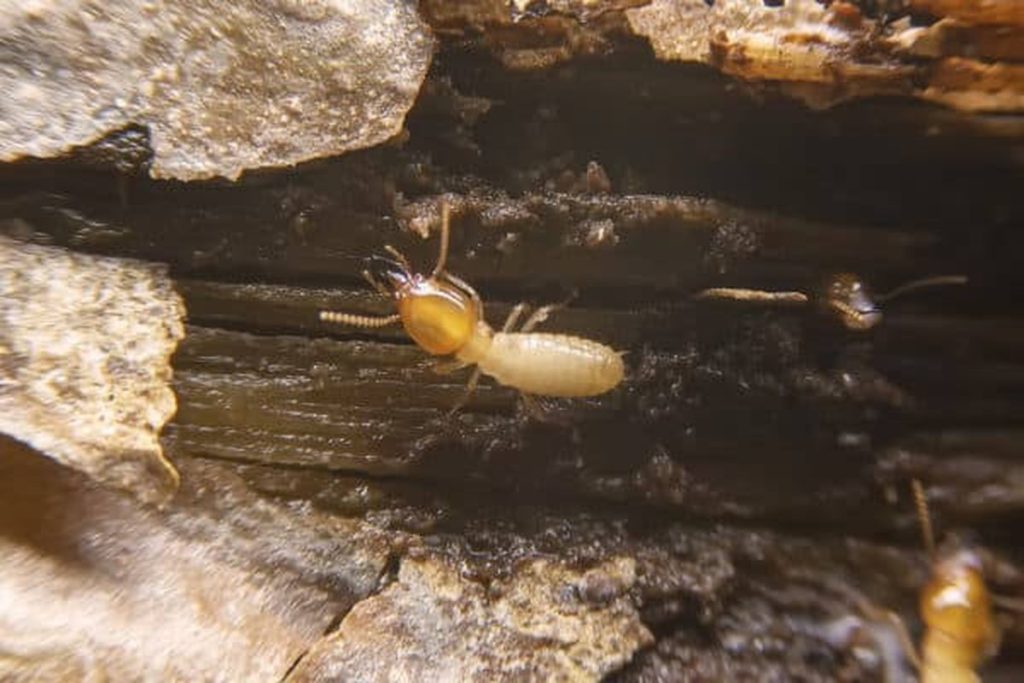
Orange oil treatment is a localized pest control method primarily used against drywood termites. It uses XT-2000 Orange Oil Plus, a product made with 95% pure d-limonene, a natural compound extracted from orange rinds.
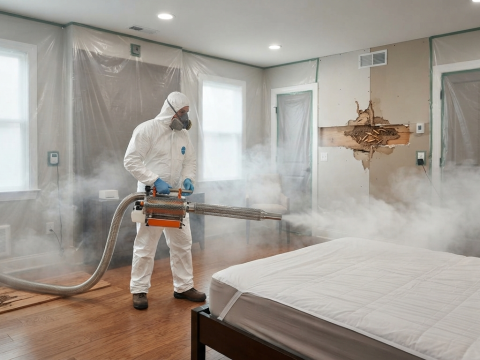
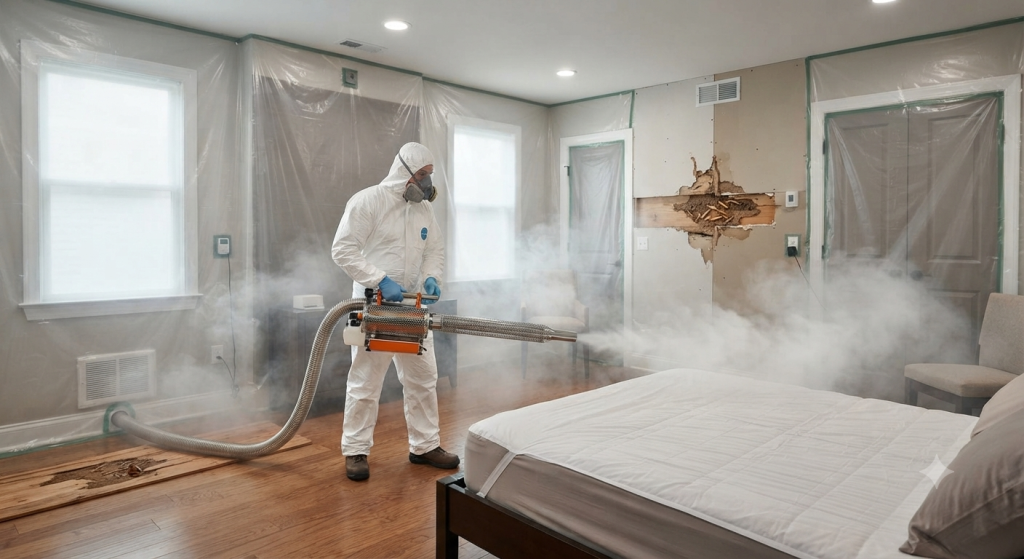
The orange oil termite treatment follows a scope-and-inject process. Technicians identify areas affected by termites, access the infested wood, and inject the orange oil into the galleries and spaces where termites live and feed. The oil moves through the wood grain, helping it reach hidden termite activity.
This approach allows technicians to treat specific affected sections instead of covering the entire property. It can also be used against carpenter ants and wood-boring beetles.
Because the treatment does not involve tenting, homeowners generally do not need to move out during the process. However, the suitability of orange oil depends on the location and extent of the infestation. A professional inspection helps establish whether this targeted method is appropriate.
How Long Does Orange Oil Treatment Take?
Most localized orange oil treatments can be completed within a few hours during one visit. However, there is no fixed duration for every property. A home with one small, accessible infestation may require less time than a property with several affected beams, wall sections, or wooden fixtures.
Several factors influence the treatment timeline.
Size of the infestation: A small, contained termite colony may require fewer injection points and less treatment time. Larger affected areas can take longer because technicians need to inspect and treat more sections of wood.
Number of affected locations: If termite activity appears in multiple rooms or structural elements, technicians may need additional time to examine each area and apply the treatment properly.
Accessibility of the wood: Exposed wooden beams and accessible structural sections are generally easier to inspect and treat. Infestations inside enclosed or difficult-to-reach spaces may require additional work.
Extent of termite activity: Technicians must understand where the termites are active before deciding how to approach the treatment. The inspection and treatment plan can influence the overall appointment duration.
Although the application itself usually takes a few hours, the inspection and scheduling stages should also be considered when planning the complete process.
What Happens Before Orange Oil Treatment?
The process begins with a professional inspection. Before applying any treatment, technicians need to confirm whether drywood termites are present and determine how far the infestation has spread.
This step matters because orange oil is designed for localized infestations. It may not be the right option if termites have spread extensively throughout the structure or are hiding in inaccessible areas.
During the inspection, technicians may look for several common signs of termite activity.
- Small, pellet-like droppings near wooden surfaces
- Hollow-sounding beams or wooden fixtures
- Discarded termite wings near windowsills
- Small holes or visible damage in wood
- Areas showing signs of active termite activity
After identifying the affected sections, the inspection team can recommend a suitable treatment approach. They will also explain which areas need attention and what the appointment involves.
Homeowners should discuss any questions about access, preparation, pets, or household arrangements before the treatment begins. Clear communication helps avoid unnecessary delays on the scheduled day.
What Happens During the Orange Oil Application?
Once the inspection is complete and the treatment plan is established, technicians begin the application.
The process generally involves identifying the infested wood, accessing the affected areas, and injecting XT-2000 Orange Oil Plus into the termite galleries. The scope-and-inject method helps technicians reach spaces inside the wood where termites may be feeding or nesting.
Unlike surface sprays that mainly target visible insects, this method focuses on the affected wood itself. The treatment is intended to reach termite activity within the wood grain, including areas that may not be visible from the outside.
The time required depends on how many sections need treatment and how easily technicians can access them. A smaller infestation may be completed relatively quickly, while several affected locations can extend the appointment.
One important advantage is that the process does not require structural tenting. There is no need to cover the entire building with a fumigation tent, and homeowners generally do not have to relocate for several days.
Do You Need to Leave Your Home During Treatment?
One of the main reasons homeowners consider orange oil is the convenience of remaining in their property. Since the treatment does not involve whole-structure tenting, occupants generally do not need to move out during the application.
This can make scheduling easier for families, property owners, and people who work from home. It also avoids the disruption associated with arranging temporary accommodation, packing belongings, or making plans to stay elsewhere for multiple days.
XT-2000 Orange Oil Plus is derived from orange rinds and is described as a low-toxicity treatment that does not leave harmful residue. Some homeowners also notice a light citrus smell after application.
However, every property and treatment situation is different. Follow the licensed technician’s instructions regarding the application, access to treated areas, and any precautions for children or pets. Do not assume that a natural origin means a product can be handled without following its safety guidance.
What Happens After Orange Oil Treatment?
Once the application is complete, technicians can explain the areas treated and any relevant recommendations for the property. Since orange oil treatment does not require tenting or a multi-day vacate period, homeowners avoid the extended disruption associated with structural fumigation.
You may notice a light citrus scent following treatment. It is also useful to remain aware of the wooden areas where termite activity was previously identified and discuss any concerns with the pest control team.
If termites have already caused significant structural damage, pest treatment alone may not restore the affected wood. Damaged sections may need separate repair or replacement after the infestation has been addressed.
The next steps depend on the inspection findings and the condition of the property. Your technician can explain whether further monitoring, additional treatment, or wood repair is appropriate.
Is Orange Oil Treatment Faster Than Tent Fumigation?
Orange oil treatment is generally a quicker and less disruptive option when the infestation is small, localized, and accessible. Most applications take a few hours and can be completed in one visit.
Structural tent fumigation follows a different process. It treats the entire structure and is often considered when drywood termites have spread across multiple areas or are difficult to reach with localized methods. The property must be tented, and occupants typically need to stay elsewhere during the fumigation period.
The right choice is not simply about selecting the fastest option. It is about matching the treatment to the infestation. Applying a localized method to widespread termite activity may not provide the coverage required.
A professional inspection helps determine whether orange oil, tent fumigation, or another treatment is more suitable for your property.
Why Choose Chem Free Exterminating?
Choosing the right termite treatment starts with an experienced team that understands how different infestations affect residential and commercial properties. Chem Free Exterminating has more than 35 years of experience helping property owners across Los Angeles and Orange County address drywood termites and other wood-destroying pests.
As a Certified Orange Oil Specialist, our licensed team performs XT-2000 Orange Oil Plus treatments using a targeted scope-and-inject approach. We assess the location and extent of termite activity before recommending a suitable solution, helping property owners avoid unnecessary disruption when a localized treatment is appropriate.
Our services include:
- Certified orange oil treatments: We use XT-2000 Orange Oil Plus for suitable drywood termite infestations.
- Licensed professionals: Our team brings decades of experience in termite inspections and treatment.
- Residential and commercial services: We work with homeowners, landlords, and commercial property owners.
- Additional treatment options: When orange oil is not the right fit, we can discuss alternatives such as structural tent fumigation, Termidor, and Tim-Bor.
- Free same-day inspections: We offer inspections for residential and commercial properties throughout Los Angeles and Orange County.
If you have noticed termite droppings, hollow-sounding wood, or other signs of activity, arranging an inspection is a practical first step. Contact Chem Free Exterminating to find out whether orange oil treatment is suitable for your property and get a clear understanding of the process and expected timeline.
Frequently Asked Questions
1. Can orange oil treatment be completed in one day?
Yes. Most localized orange oil treatments are completed during a single visit, typically within a few hours. The duration depends on the number of affected areas, infestation size, and accessibility of the wood.
2. How long do I need to stay out of my home after orange oil treatment?
Orange oil treatment does not require tenting, so homeowners generally do not need to leave their property during the application. Follow the technician’s instructions about any precautions for treated areas, children, and pets.
3. Does orange oil treatment work immediately?
The treatment is applied directly into infested wood to target termite galleries and hidden activity. However, the time needed to address an infestation can vary. Your technician can explain what to expect based on the inspection findings and treatment plan.
4. Is orange oil treatment suitable for every termite infestation?
No. Orange oil is primarily intended for smaller, localized, and accessible drywood termite infestations. If activity is widespread or located in difficult-to-access areas, structural tent fumigation or another treatment may be more appropriate.
5. Does orange oil treatment require tenting or moving furniture out?
No structural tenting is required, and occupants generally do not need to relocate. The preparation needed for individual treatment areas can vary, so ask your technician whether any furniture or belongings need to be moved before the appointment.